5 Expert Tips for Preserving Family Heirloom Jewelry in Texas
Richard's Custom Jewelers • August 19, 2026
Passing down fine jewelry from one generation to the next creates a tangible connection to your family history. However, these delicate items require specific care to ensure they survive decades of wear. At Richard's Custom Jewelers, we frequently evaluate older pieces that have suffered preventable damage due to improper storage or cleaning routines. Understanding the specific steps for preserving heirloom jewelry is essential for anyone who wishes to keep their legacy intact.
The climate in North Central Texas presents unique challenges for antique metals and delicate gemstones. Fluctuating humidity levels and extreme summer heat can accelerate tarnishing or cause fragile stones to crack. Taking a proactive approach to maintenance keeps these precious items structurally sound and visually stunning. We have compiled a list of professional strategies to help you protect your most valued possessions safely at home.
In This Article:
- Tip 1: Manage Your Storage Environment
- Tip 2: Monitor the Integrity of Prongs
- Tip 3: Protect Stones from Temperature Shifts
- Tip 4: Avoid Universal Cleaning Solutions
- Tip 5: Consult a Watch Repair Specialist
- Frequently Asked Questions
Tip 1: Manage Your Storage Environment
The high humidity frequently experienced in Hurst can cause silver and older gold alloys to tarnish rapidly. Creating a controlled microclimate within your jewelry box prevents moisture from degrading the metal over time.
• Climate Control: Store your delicate pieces in a dry bedroom rather than a humid bathroom.
• Anti-Tarnish Products: Place specialized moisture-absorbing strips inside your storage compartments.
• Proper Separation: Keep soft porous stones away from hard diamonds to prevent deep scratching.
Tip 2: Monitor the Integrity of Prongs
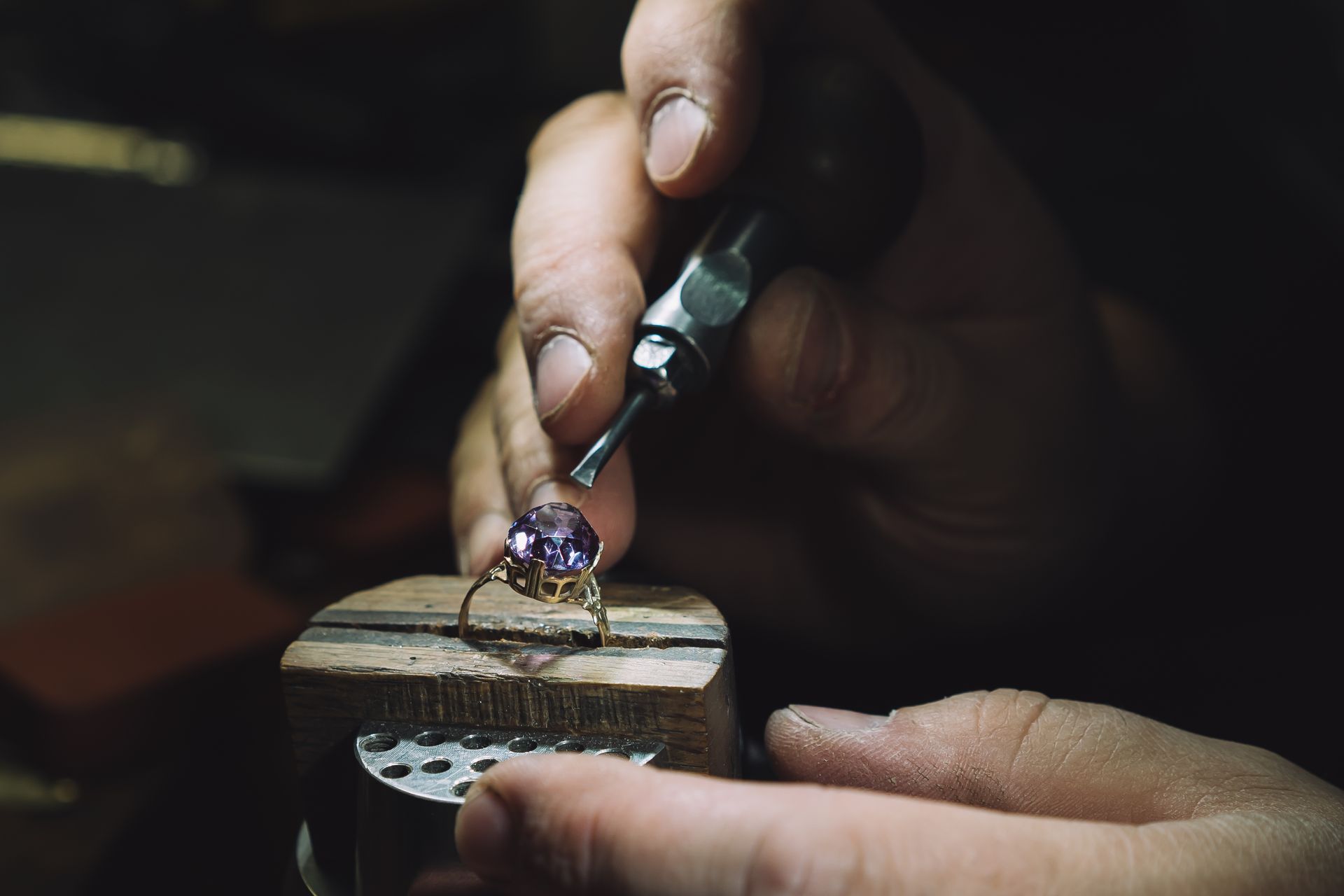
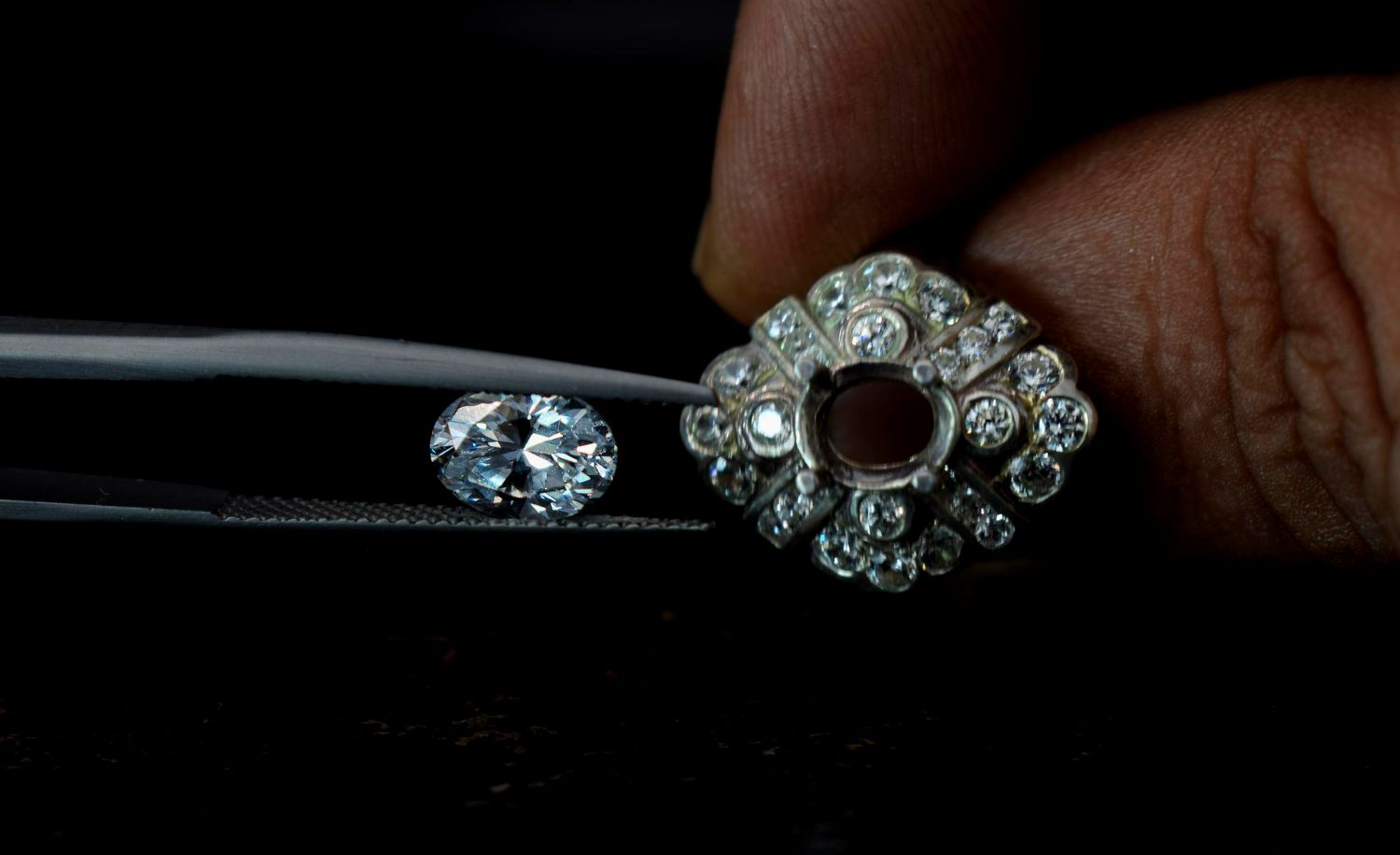
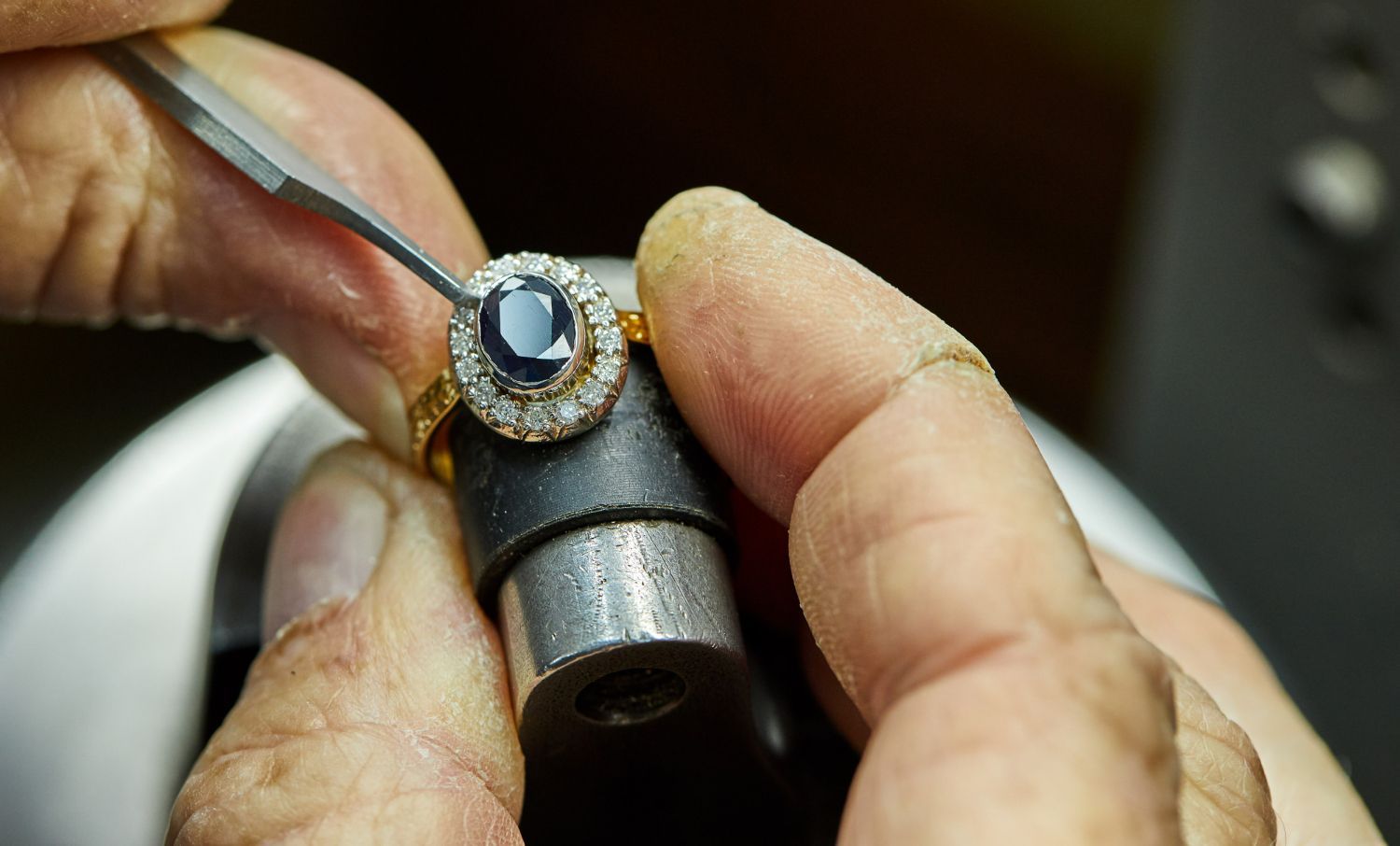
Antique rings often feature delicate metalwork that wears down after decades of friction against clothing and surfaces. Once a prong becomes too thin, the center stone is at serious risk of falling out.
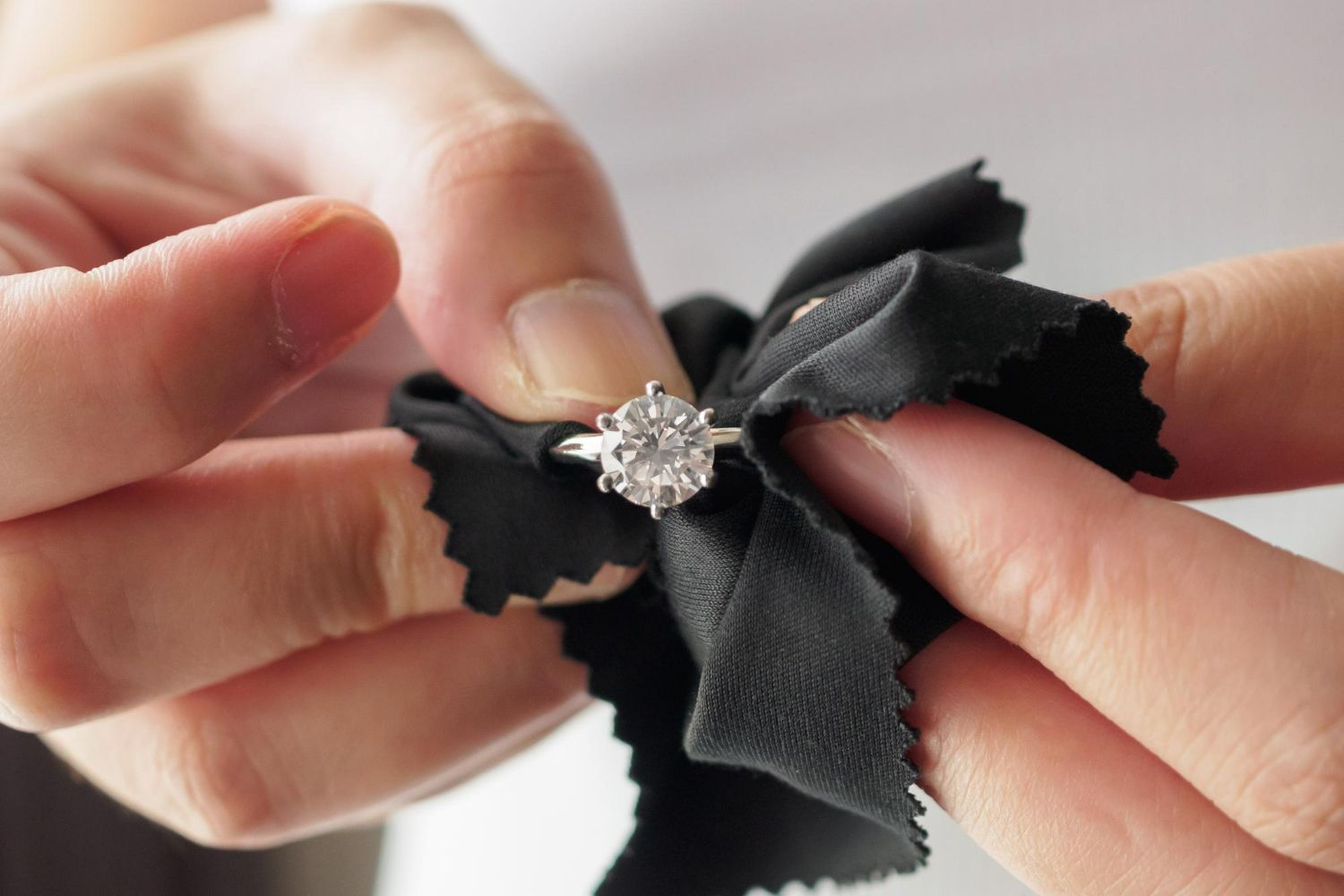
• The Snag Test: Gently run a soft microfiber cloth over the setting to check for catching metal.
• Visual Inspection: Look closely for flattened or completely missing metal around the main diamond.
• Silk Thread Checks: Examine your pearl necklaces to see if they require professional restringing due to frayed cords.
Tip 3: Protect Stones from Temperature Shifts
Moving rapidly from air-conditioned spaces into the blazing Texas heat creates thermal shock for certain gemstones. Opals and emeralds are particularly vulnerable to these sudden environmental changes.
• Gradual Acclimation: Allow your sensitive jewelry to warm up slowly when moving outdoors.
• Sunlight Exposure: Keep vividly colored gems away from direct sunlight to prevent permanent fading.
• Hydration Needs: Understand that certain natural stones require specific ambient humidity to avoid internal cracking.
Tip 4: Avoid Universal Cleaning Solutions
Many people assume that commercial ultrasonic cleaners are safe for all types of fine jewelry. In reality, the high-frequency vibrations can easily shatter heavily included gems or dissolve the glue in vintage settings.
• Skip Ultrasonic Devices: Keep antique items completely away from mechanical vibration machines.
• Gentle Alternatives: Rely exclusively on a soft brush and mild soap for routine dusting.
• Chemical Reactions: Never expose vintage gold alloys to household chlorine bleach or harsh surface cleaners.
Tip 5: Consult a Watch Repair Specialist
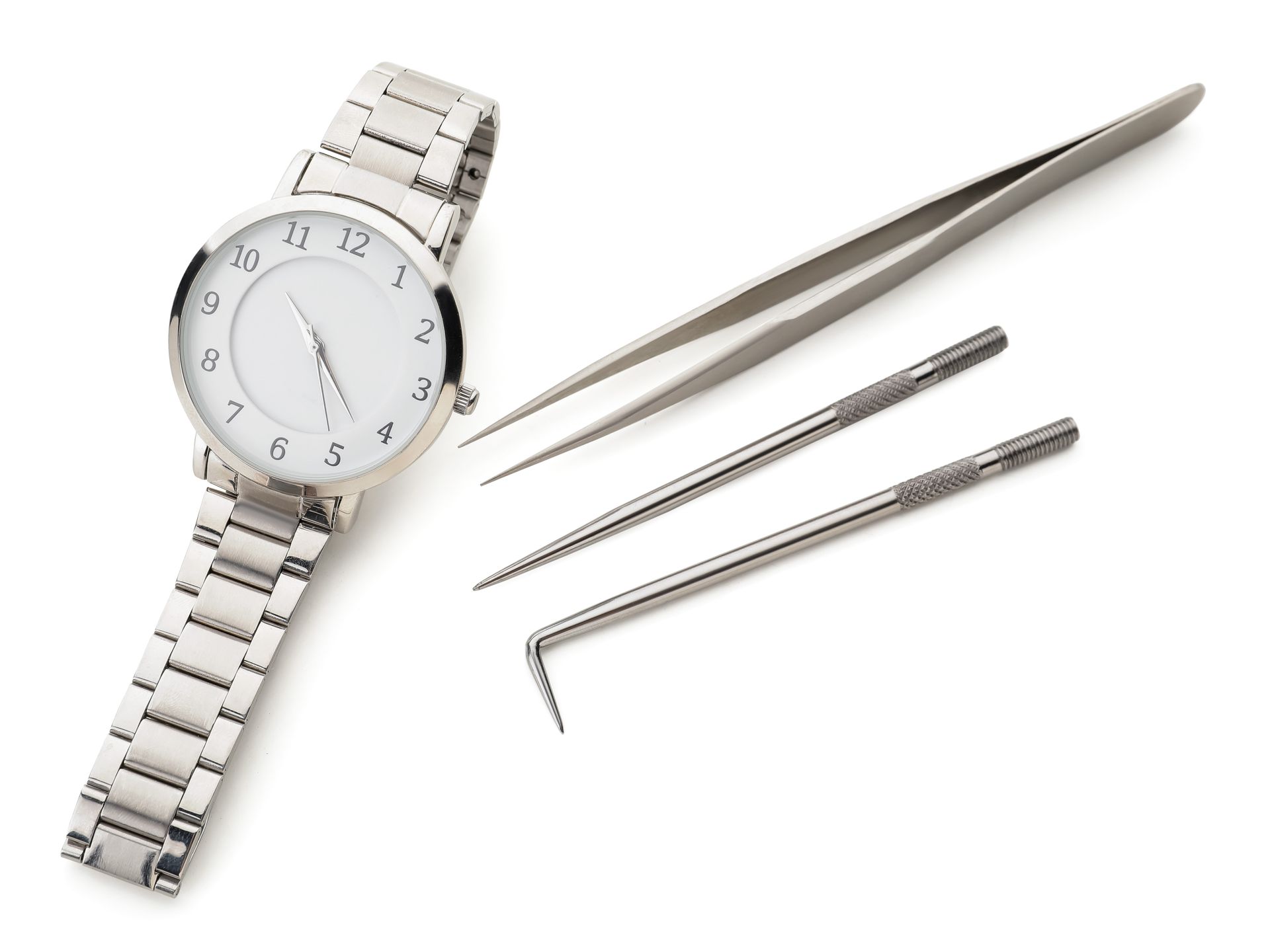
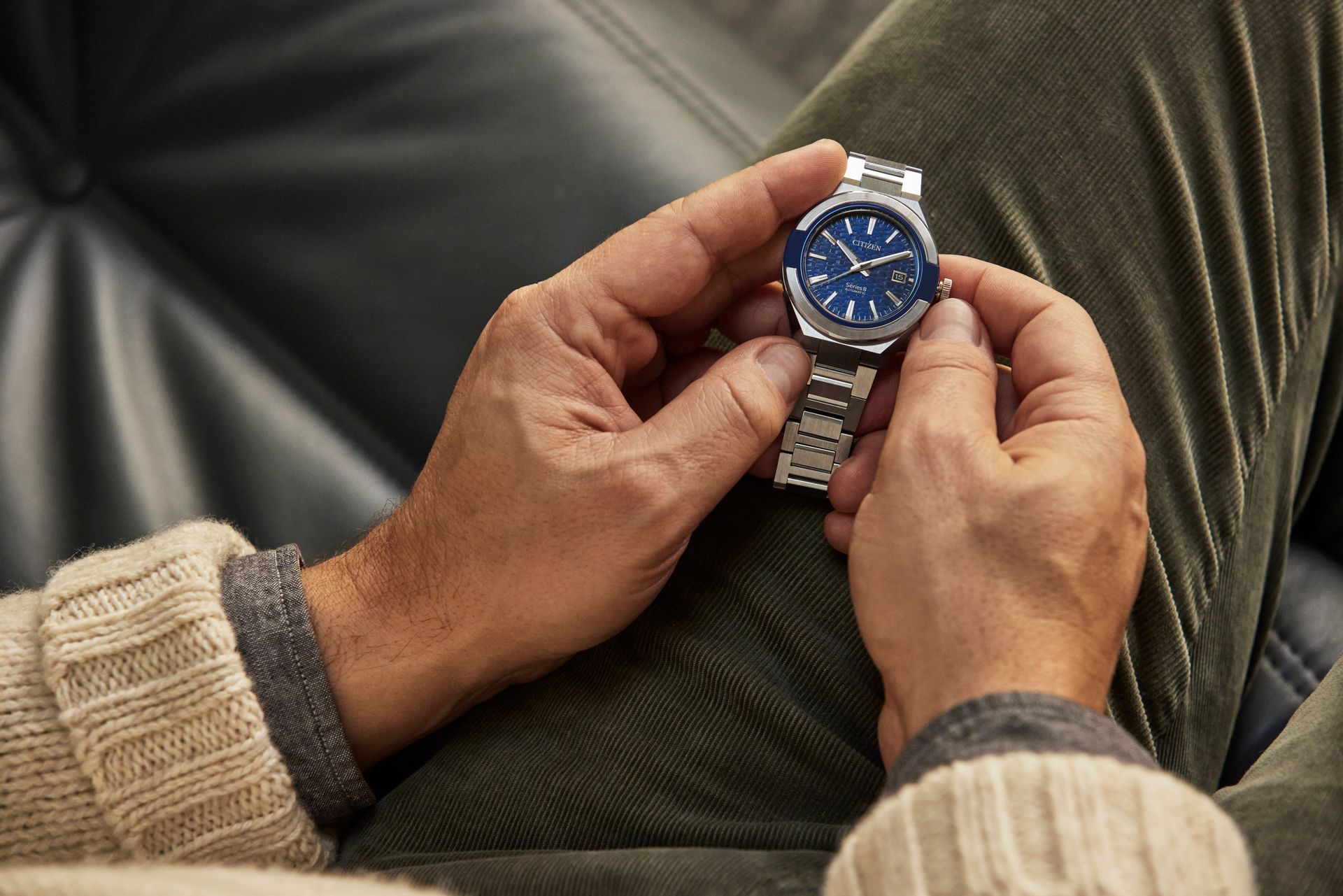
Vintage timepieces require a completely different approach to maintenance than standard rings or necklaces. The internal mechanical movements dry out over time and require specialized lubrication to function properly.
• Mechanical Servicing: Bring your heirloom timepieces in for professional watch repair to prevent friction wear.
• Moisture Seals: Ensure vintage watch gaskets are checked and replaced if you live in a humid area.
• Preserving Authenticity: Always request that original dials and hands be preserved during any restoration work.
Frequently Asked Questions
What is the best way to clean vintage jewelry at home?
Using warm water mixed with a few drops of mild dish soap is the safest method for routine cleaning. You should completely avoid soaking any pieces that contain foil backs or porous stones like turquoise. Gently sweeping the surface with a very soft-bristled brush removes dust without scratching the antique metal. Drying the piece immediately with a lint-free cloth prevents mineral spots from forming.
How often should heirloom pieces be professionally inspected?
Any heirloom that is worn regularly should be examined under professional magnification every six months. Jewelers check for micro abrasions and structural metal fatigue that the naked eye simply cannot detect. This proactive clinical approach catches failing prongs and worn hinges before a precious component is permanently lost. Pieces kept strictly in storage only need inspection every few years.
Can old jewelry be updated without losing its sentimental value?
Remounting a vulnerable central stone into a more secure setting protects the gem while honoring the original meaning of the gift. The original gold band can often be melted down and refined or kept intact as a separate keepsake. This ensures the piece remains wearable and safe for daily life rather than sitting permanently in a dark safe. Our jewelers guide you through this transition carefully to preserve the history of the item.
Securing Your Family History
Keeping a close eye on the condition of your inherited pieces ensures they remain safe to wear for years to come. Applying these specific care techniques protects both the financial and sentimental value of your collection from the harsh Texas environment. Bring your cherished family items into our store for a careful evaluation and professional cleaning today. Let our experts give you peace of mind about the longevity of your treasures.
Share This Blog